
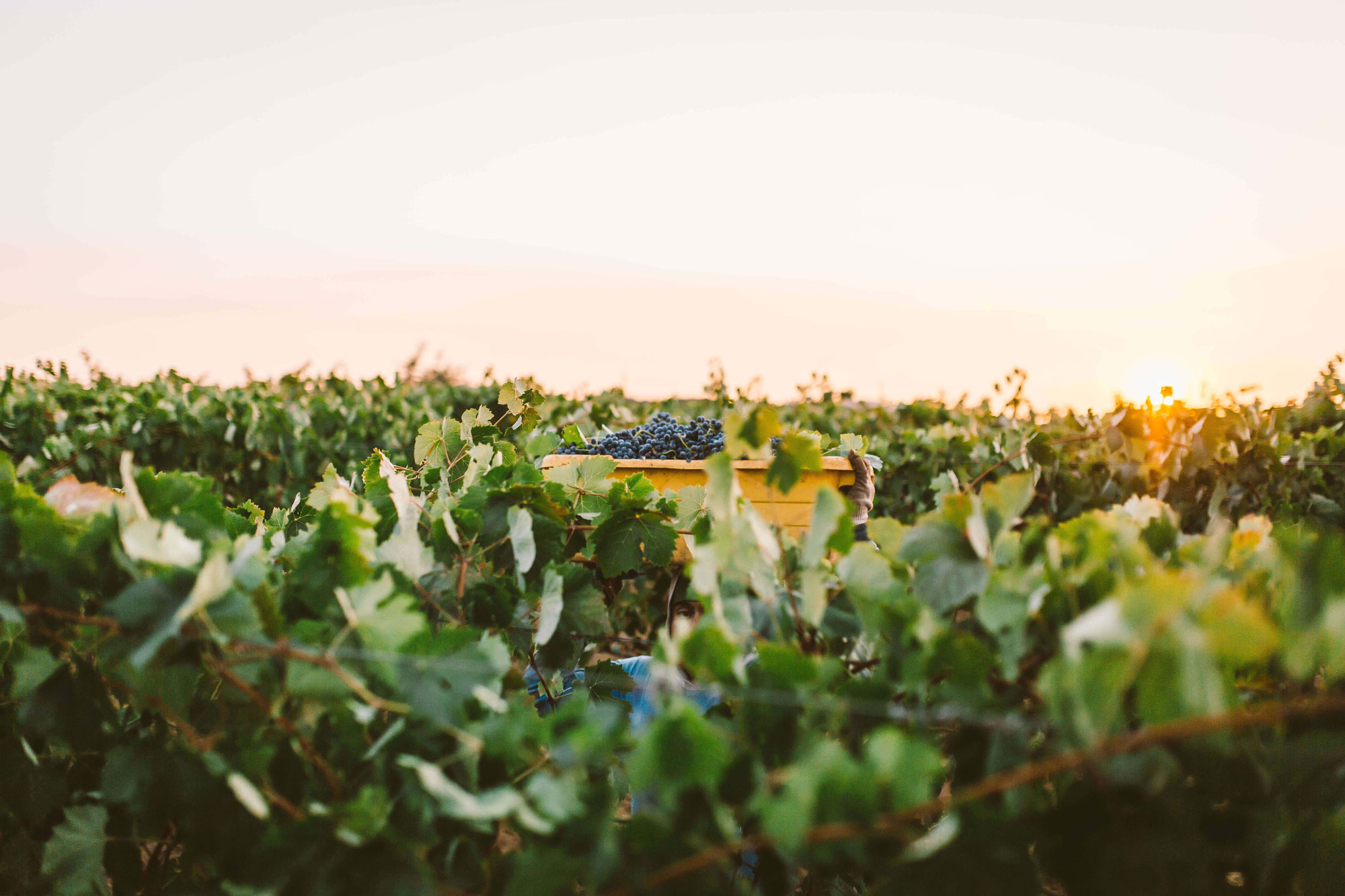
Where the Sierra Foothills wine region is, what shapes its wines, and the grapes that grow best there.
The region
The Sierra Foothills American Viticultural Area, established in 1987, runs along the western slope of the Sierra Nevada through eight counties: Yuba, Nevada, Placer, El Dorado, Amador, Calaveras, Tuolumne and Mariposa. Inside it are smaller appellations, including El Dorado, Fair Play, North Yuba, Fiddletown and the California Shenandoah Valley, home of Painted Fields.
Elevation
Vineyards here climb from around 1,200 feet to above 3,000 feet. Altitude brings sunshine without extreme heat and helps the grapes keep their freshness.
Soil
Much of the region grows in decomposed granite and sandy loam, with volcanic soils in places. These soils drain well and keep vines from growing too vigorously, which concentrates flavor.
Climate
Summer days are warm, and cool air flows down from the mountains at night. That swing ripens the fruit fully while holding on to acidity, which gives Foothills wines their brightness.
The grapes
- Zinfandel: the heritage grape, planted since the Gold Rush. Read what makes old-vine Zinfandel different.
- Barbera: the everyday red of Italy’s Piedmont, at home in Amador. Try Amador Classico.
- Rhône varieties: Syrah, Grenache and Mourvèdre, as in Sierra Côtes.
- Cabernet Sauvignon: grown at altitude for structure, as in Curse of Knowledge.
- Mediterranean whites: Vermentino, Fiano and friends, as in Cuvée Blanc.
See all five Painted Fields wines, or the place they come from.